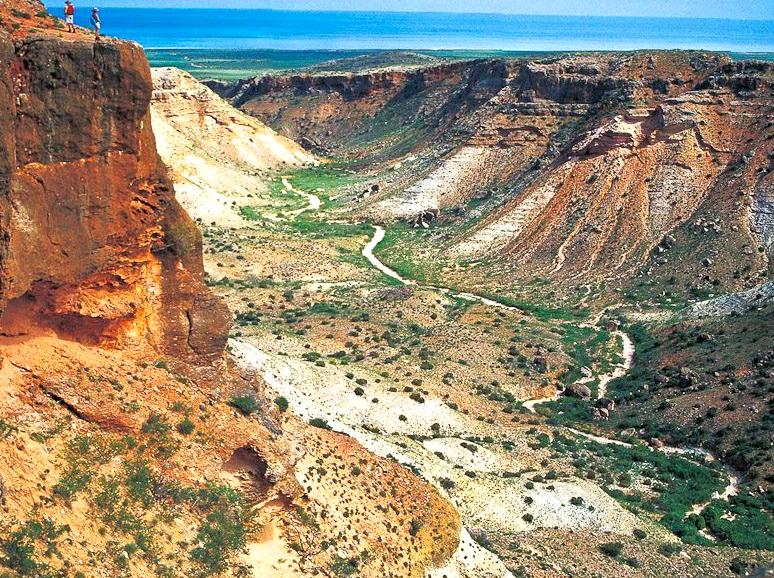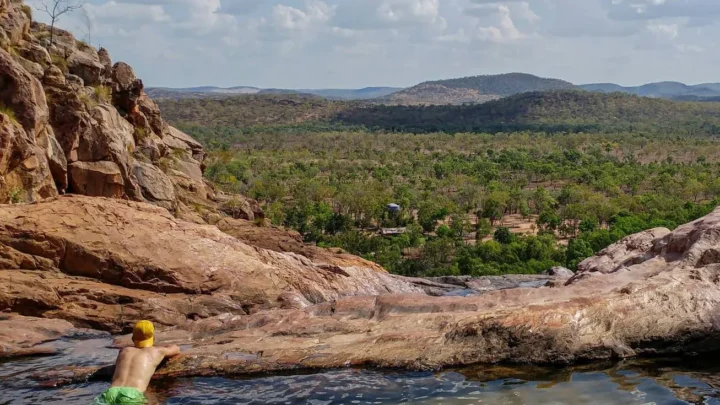

Kakadu National Park is not just a destination – it’s an immersion into the heart of Australia’s ancient landscape and cultural soul. Spanning nearly 20,000 square kilometres in the Northern Territory, Kakadu is a UNESCO World Heritage-listed site for both its natural and cultural values. It’s an extraordinary convergence of Indigenous culture, ecological diversity and artistic achievement. Whether you want to connect with nature, see the world’s oldest living culture on Earth or just have an Aussie trip of a lifetime, Kakadu will move your soul and senses.
Just a few hours from Darwin, Kakadu is within reach of other iconic destinations like Litchfield National Park and Nitmiluk Gorge, making it a great anchor for any Top End itinerary. Companies like Autopia Tours offer guided tours that showcase the park’s best stories and natural beauty. Many people do 4 day Kakadu tours from Darwin to experience the park’s diverse landscapes, cultural sites and Indigenous heritage without rushing.
An Ancient Land and Its Traditional Owners
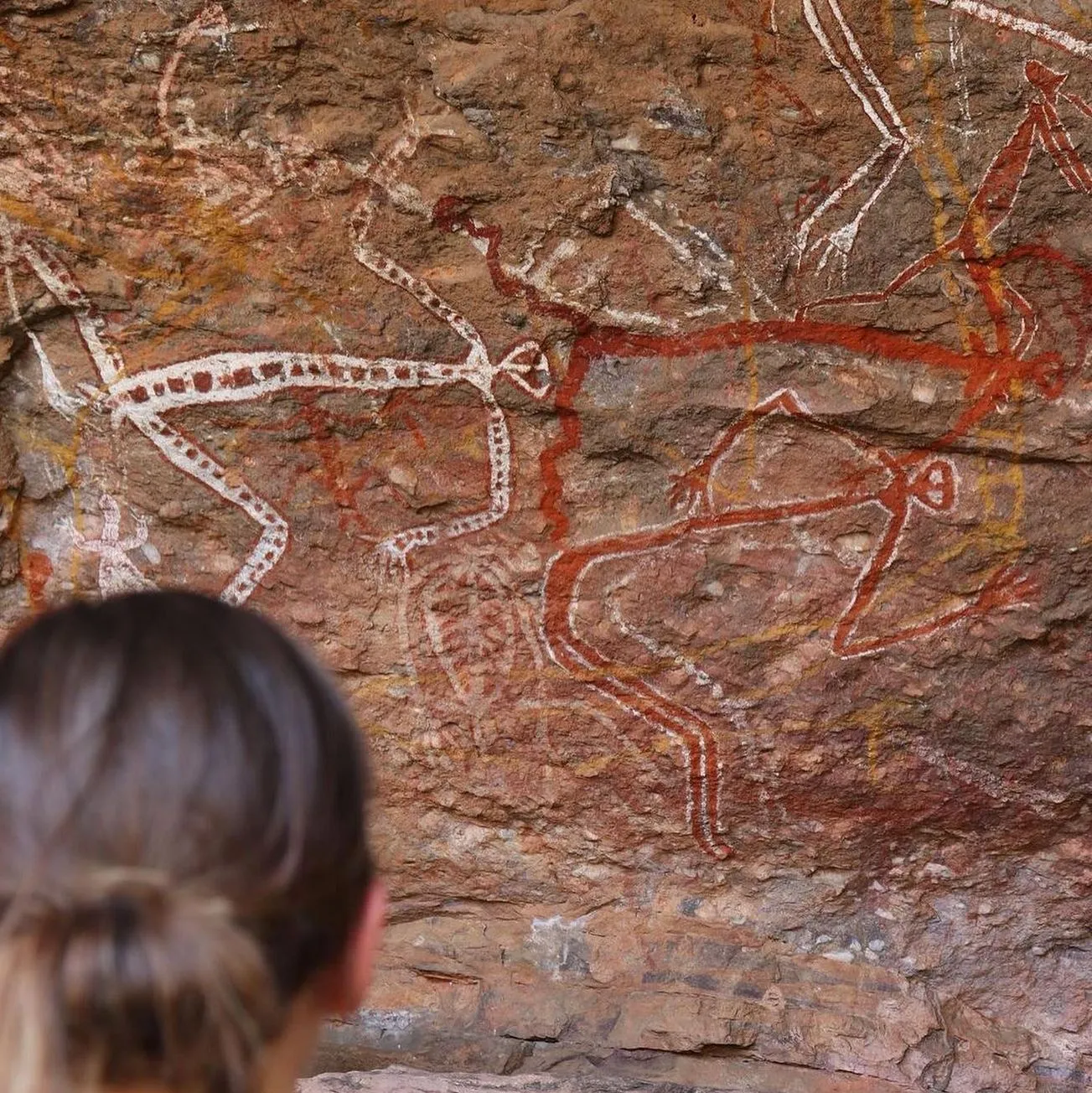
For over 65,000 years the Bininj/Mungguy people – the traditional owners of Kakadu – have had a deep spiritual and cultural connection to this land. As custodians of one of the oldest continuous cultures on the planet, their presence is felt across Kakadu’s sacred sites, storytelling traditions and land management. Their knowledge has shaped the land over generations of active management practices that protect the ecosystem, conserve endemic species and preserve cultural sites.
Rock art sites like Ubirr, Nourlangie and Nanguluwur are more than just pretty – they’re living galleries of ancient rock art and carvings that tell Indigenous culture, historical events, daily life and environmental change. These aboriginal rock art sites are a testament to incredible artistic achievement and cultural values that have been passed down for thousands of years. Walking through these sites is like turning the pages of an ancient book.
Biodiversity Across an Intact Landscape
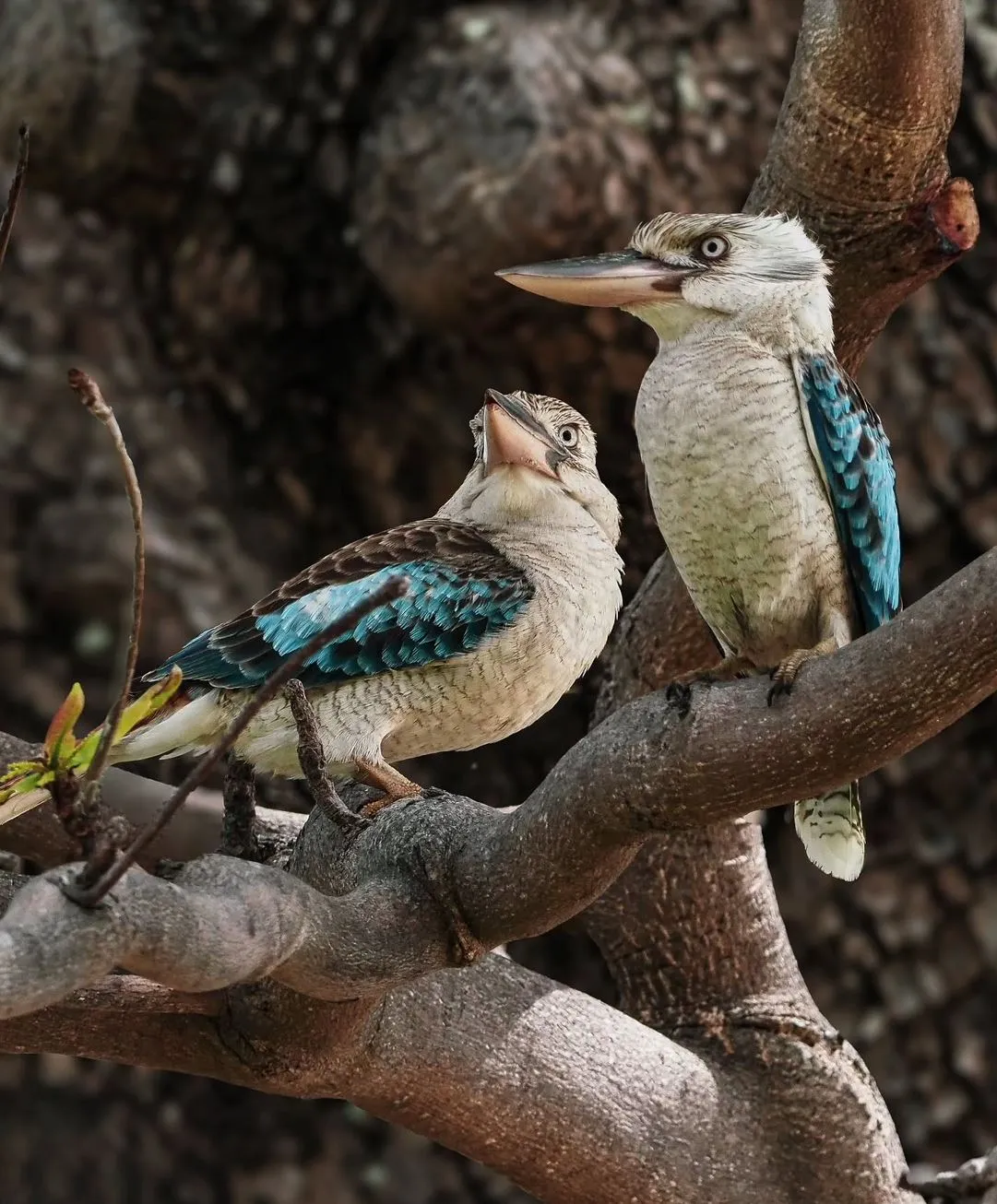
Kakadu’s vastness has six main landforms and habitats—coastal areas, floodplains, lowlands, southern hills, stone plateaus and monsoon forests. This diversity supports an incredible array of animal and plant species and microhabitats within the park’s intact landscape. From river beds carved by major rivers to wetlands teeming with birdlife, Kakadu’s natural environment comes alive.
The park is home to over 280 species of birds, including endemics and migratory birds that travel thousands of kilometres to get to the wetlands. Species like magpie geese, brolgas and kingfishers attract birdwatchers from around the world, especially during the dry season when they congregate around drying waterholes. Over 2,000 species of plants and over 10,000 insect species thrive in this biodiversity hotspot. Endemics grow in unique ecological zones from the Arnhem Land plateau to lush monsoon forests.
Kakadu is also home to freshwater and saltwater crocodiles, hundreds of fish and amphibian species and a wide variety of mammals and reptiles. One of the few places where you can see wallabies at sunrise and crocodiles at midday.
Seasonal Splendour and Stunning Landscapes
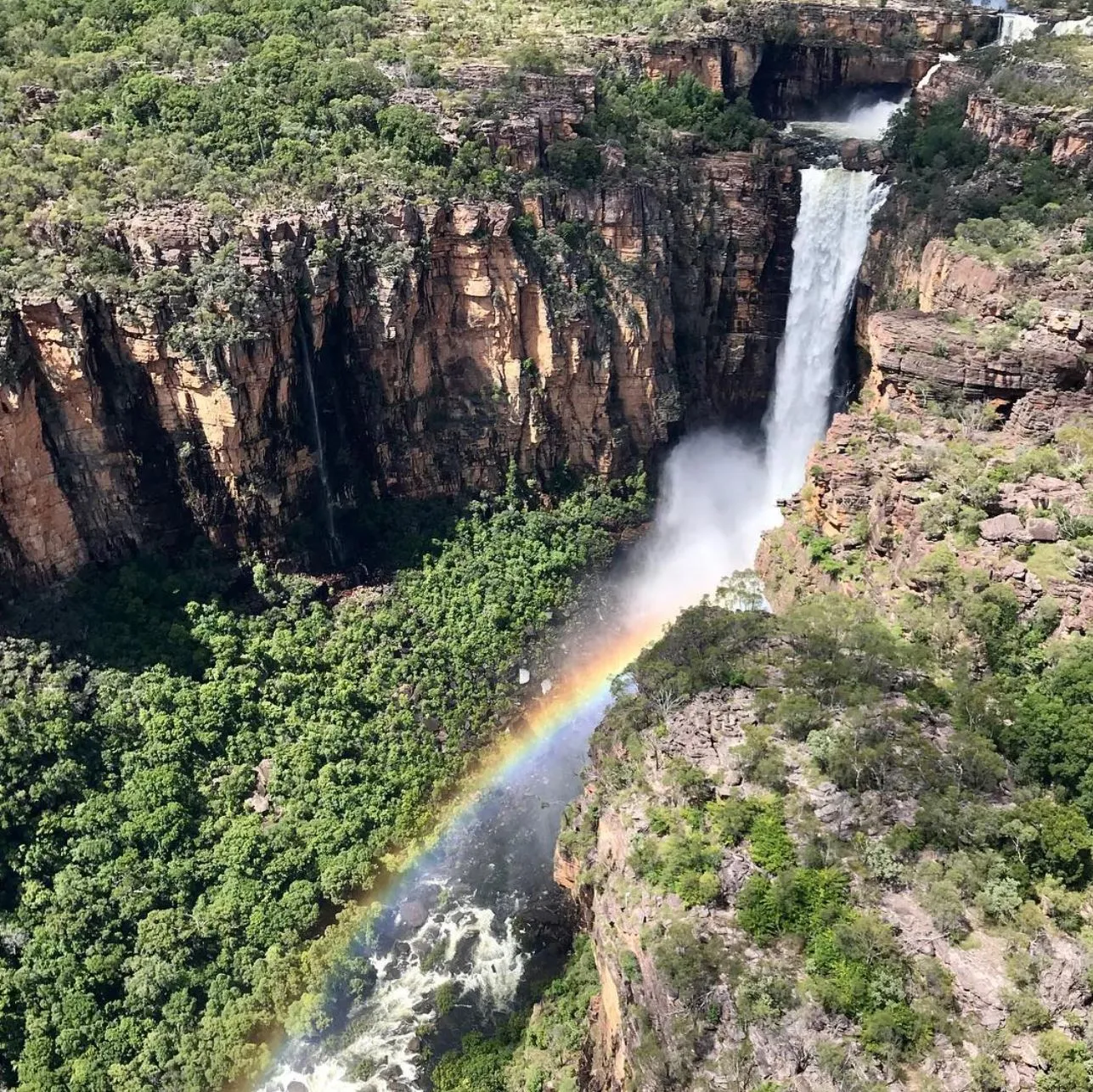
One of Kakadu’s defining features is its dramatic seasonal change, driven by the wet and dry seasons. During the wet season (November to April) Kakadu gets high annual rainfall that fills the wetlands, recharges the rivers and triggers a transformation of the park’s vegetation. This is the time when Jim Jim Falls and Twin Falls come alive. Although access may be limited, a scenic flight during this time will reveal the full extent of Kakadu’s stunning landscapes and natural habitat. On the other hand the dry season (May to October) is perfect for a day trip or a longer stay. Roads are open, walking tracks are accessible and you can visit remote rock art sites, swim in clear pools and see wildlife in abundance. Billabong cruises reveal the complexity of the ecosystem as birds, crocodiles and plant life interact. The dry season is also great for cultural tours that share traditional knowledge and stories about the land, flora, fauna and ancient customs. A good option for those with time is to join one of the 4-day Kakadu tours from Darwin which has plenty of time to visit sacred sites, experience immersive cultural activities and enjoy the park’s natural beauty.
Seasonal Highlights
Table below:
| Season | Highlights | Activities |
|---|---|---|
| Wet Season | Waterfalls in full flow, vibrant greenery | Scenic flight, photography, birdwatching |
| Dry Season | Accessible roads, clear skies, and abundant wildlife | Rock art tours, hiking, billabong cruises |
Living Culture and Cultural Development
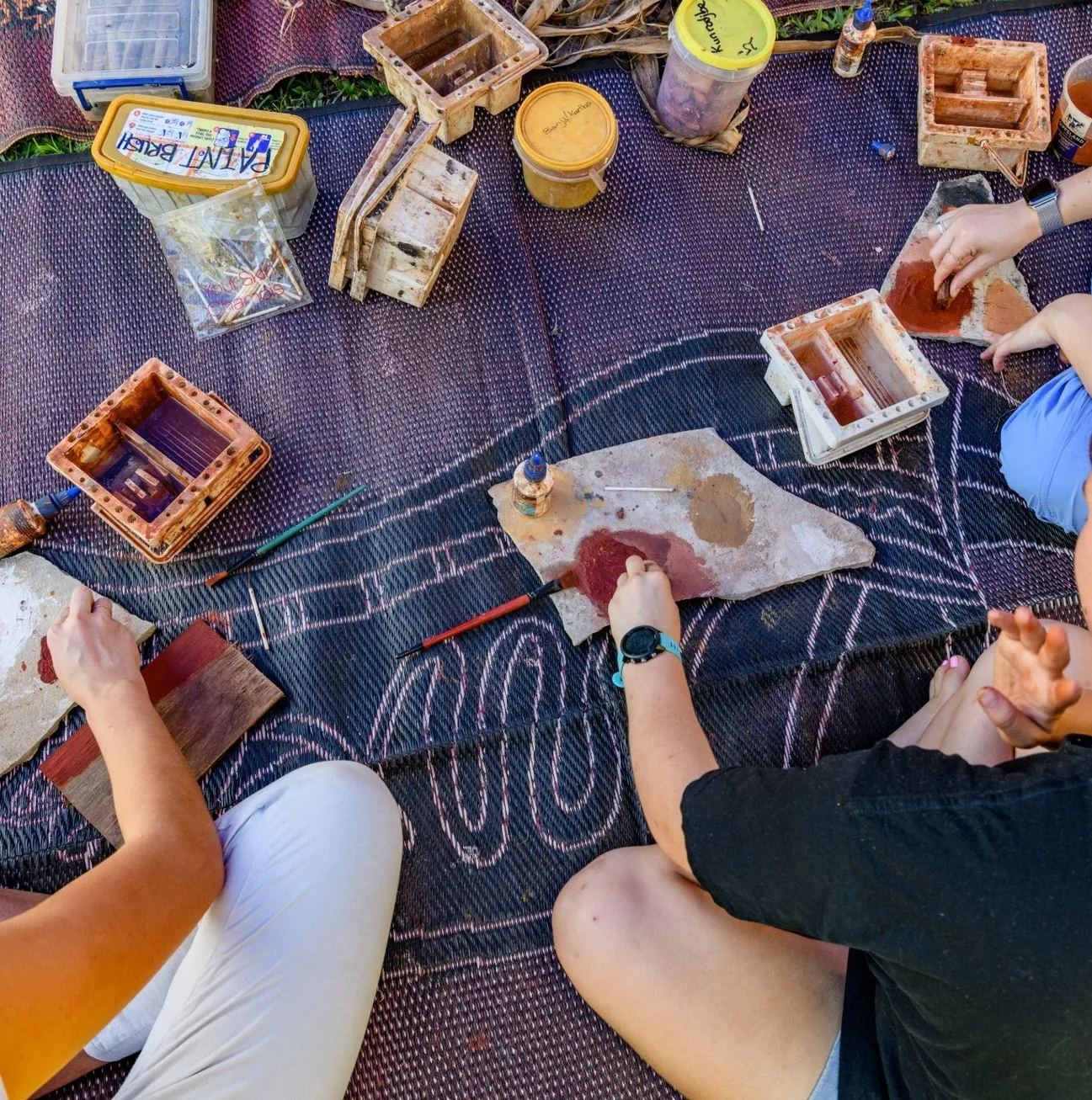
Kakadu isn’t a relic of the past; it’s a place where culture is alive. Indigenous people manage the park in partnership with Parks Australia, combining traditional knowledge with modern conservation practices. This partnership model protects sacred sites, endemic species and natural values for future generations.
Cultural development is happening now with Aboriginal-led experiences and visitor centres that give insight into Kakadu’s rich history. Tours often include bush tucker tasting, weaving demonstrations, storytelling sessions and visits to cultural sites that are rarely seen without a guide. These activities show the relationship between people and the land and how the Indigenous worldview supports both spiritual and environmental stewardship.
Threats and Conservation Efforts
Despite its resilience Kakadu faces threats from invasive species, climate change and increasing tourism. Conservation programs focus on removing invasive plants and animals, monitoring animal life, preserving plant species and reducing fire risk. These programs demonstrate the park as a model of sustainable land management and ecological respect. Traditional owners are involved in these programs which adds depth and continuity to Kakadu’s conservation goals.
More Than a Destination—A Travel Passion
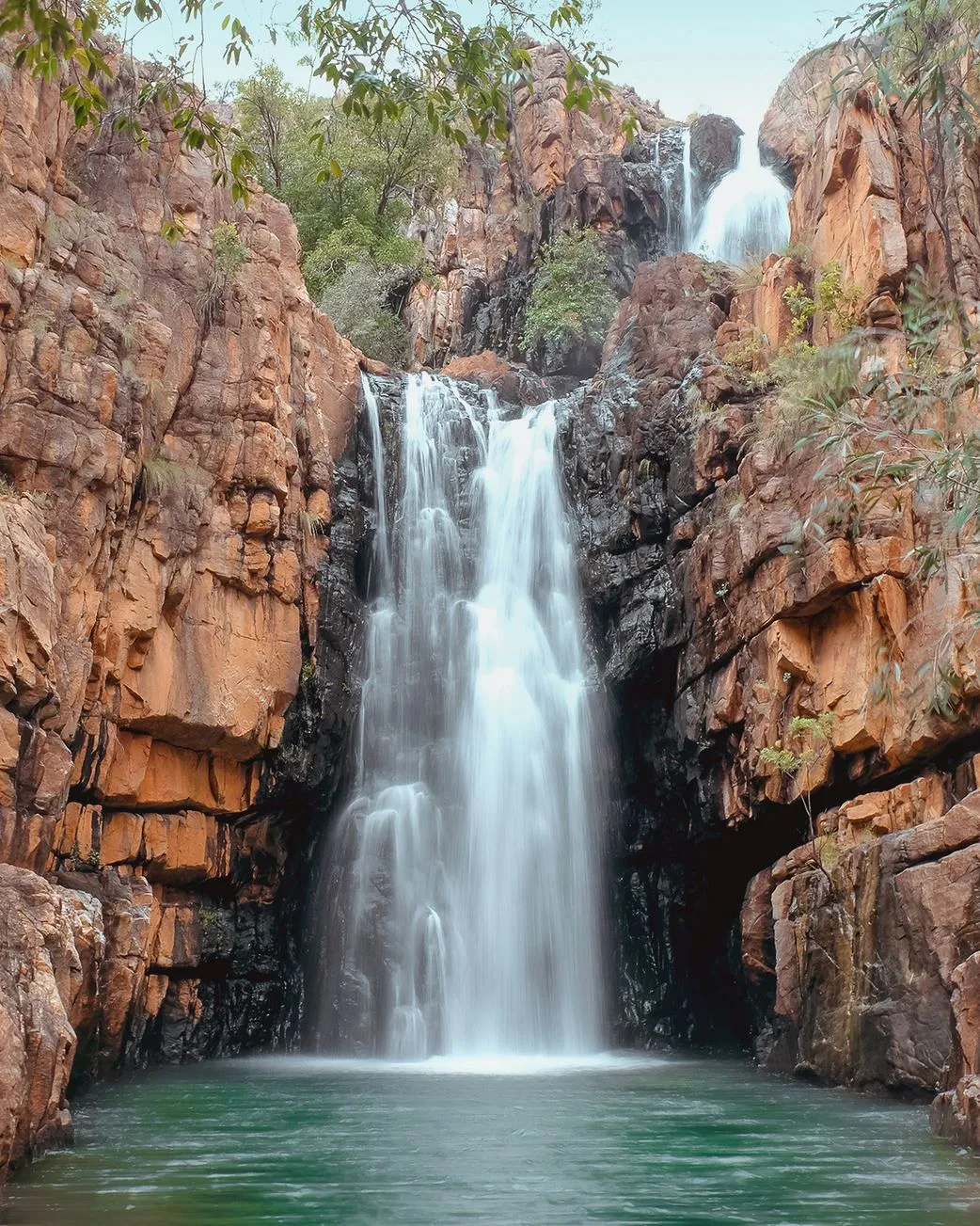
For nature, history and culture-driven travellers, Kakadu is more than a stop—it’s the highlight of any Australian trip. Every moment—from a quiet walk through ancient landscape to a golden sunset over the wetlands—adds another layer to your travel experience. Whether you’re watching a jabiru fly over a billabong, discovering 1000-year-old art or listening to a guided cultural talk, you’ll be fully engaged.
And with nearby adventures like swimming in Litchfield’s waterfalls or canoeing through Nitmiluk Gorge it’s easy to turn your visit into a multi day immersion into the Top End’s natural beauty.
FAQ
When should I visit Kakadu?
Dry season (May to October) for good road access, wildlife viewing and cultural tours. Wet season (November to April) for waterfalls, lush landscapes and scenic flights.
Are there crocodiles in Kakadu?
Yes, both fresh and saltwater crocodiles. Swimming only in designated areas. Always follow local safety guidelines.
Can I visit Kakadu on my own?
Yes, self-driving is possible. But guided tours (like Autopia Tours) will give you a deeper insight into the Indigenous culture, natural environment and sacred sites.
How do I get to Kakadu from Darwin?
Kakadu is 3 hours from Darwin. You can also book day trips or multi-day excursions through tour operators, including 1 day Kakadu tours from Darwin.
Do I need a park pass for Kakadu?
Yes, a park pass is required for all visitors. Can be purchased online or at entry points and supports conservation and community programs.