
Ever woken up to the thud of a ranger’s knock and a fine flapping under your wipers? Yeah, been there done that got the infringement notice. Parking overnight on the Great Ocean Road isn’t as simple as pulling into the nearest lookout platform. Between council rules, national park boundaries and the growing squeeze on freedom camping it pays to do your homework.
So if you’re road tripping with a campervan, a rooftop tent or just your sense of adventure and a sleeping bag here’s your no-fluff guide to overnight parking on the Great Ocean Road — with firsthand tips, local knowledge and the odd mozzie joke.
Legit Overnight Parking Options
1. Designated Campgrounds and Holiday Parks
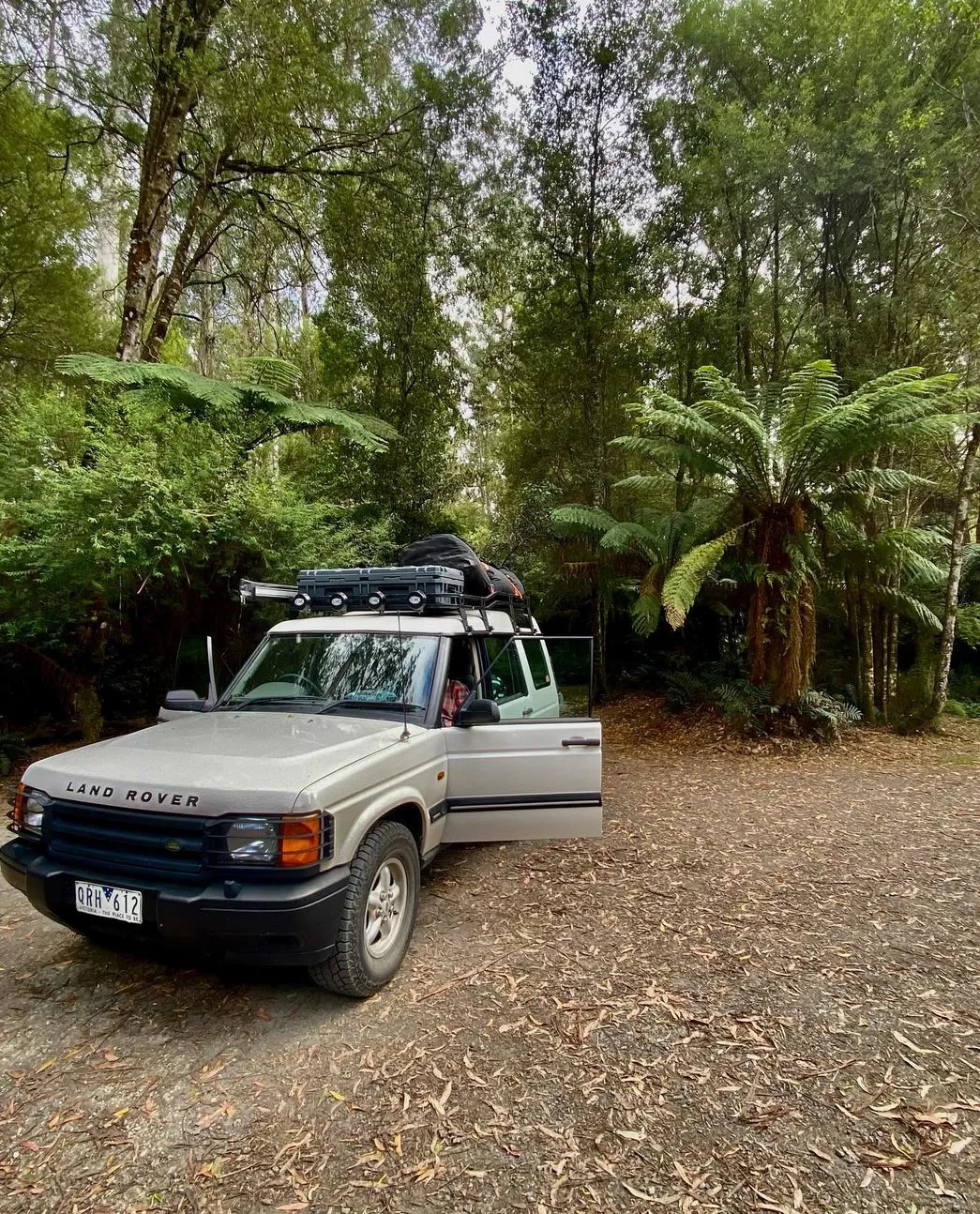
The safest (and usually most scenic) bet? Stick to the official stuff:
- Great Otway National Park Campgrounds: Places like Blanket Bay, Johanna Beach and Aire River West offer the full forest-meets-coast camping experience, often under ancient rainforest canopies. But they book out quickly in peak season and some are 4wd only.
- Holiday parks: From Torquay to Port Campbell you’ll find caravan parks with powered sites, basic toilets, accessible toilets, hot showers and maybe even a laundry if you’re lucky. $25 to $60 a night.
Tip: Many of these are run by Parks Victoria or local councils — so check their booking platforms and grab a spot early if you’re travelling over summer or school holidays. Accommodation fees apply but they’re cheaper than fines.
2. Free Campsites (Yes, They Still Exist)
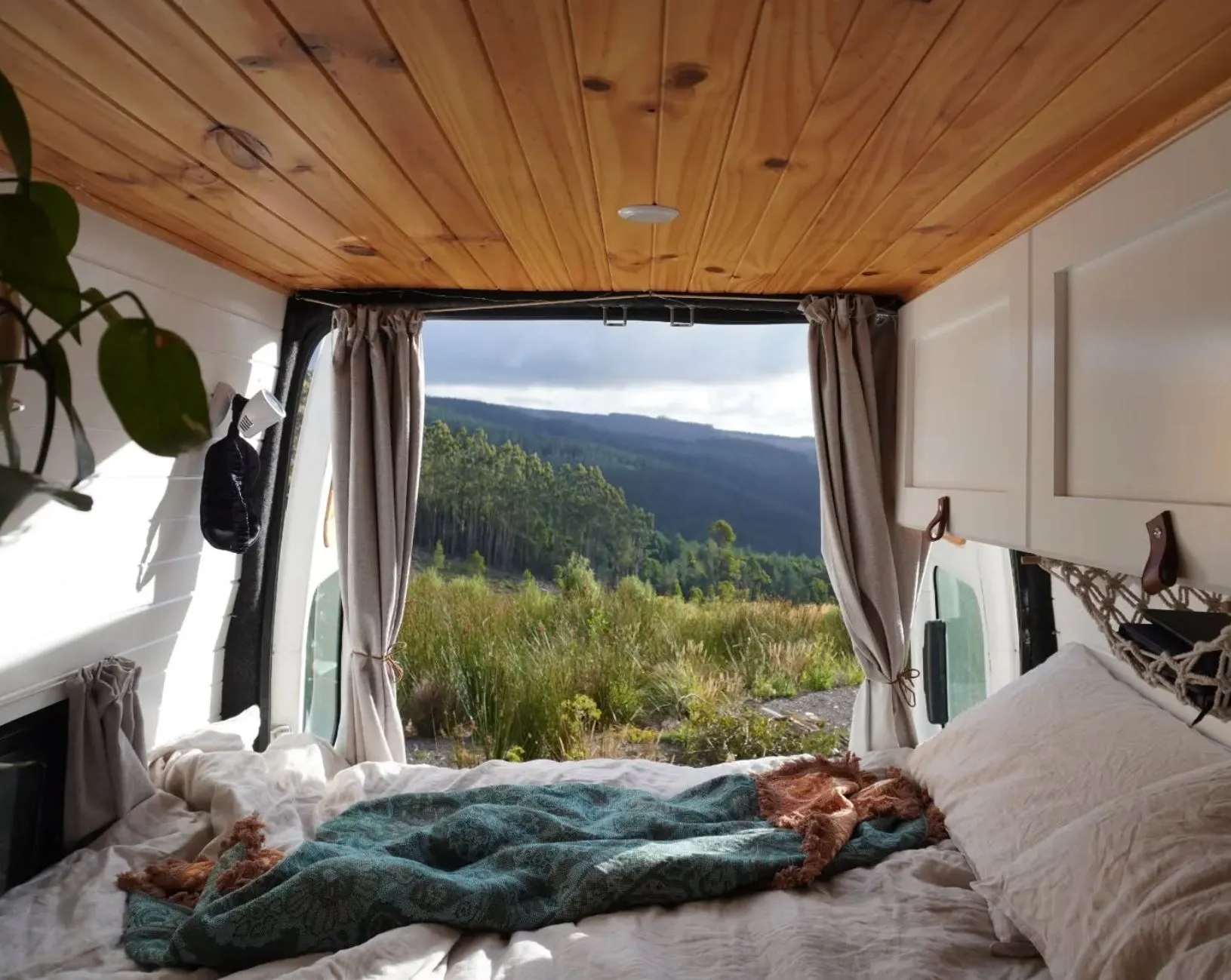
Despite the rumours, a few free or donation-based campgrounds still exist:
- Dandos Campground (inland via Gellibrand): A peaceful bush setup with toilets and fire pits.
- Beauchamp Falls Campground: Inland detour but a cracking base near ancient rainforest for forest walks and waterfall chasing.
- Aire Crossing Campground: Quieter than Johanna and a ripper for the birdsong.
Heads up: Most of these beautiful spots are off the main drag so you’ll need to detour inland through the Otways. Bring your own drinking water and a sturdy sense of direction (Google Maps won’t always be your mate).
3. Overnight Parking in Coastal and Seaside Towns
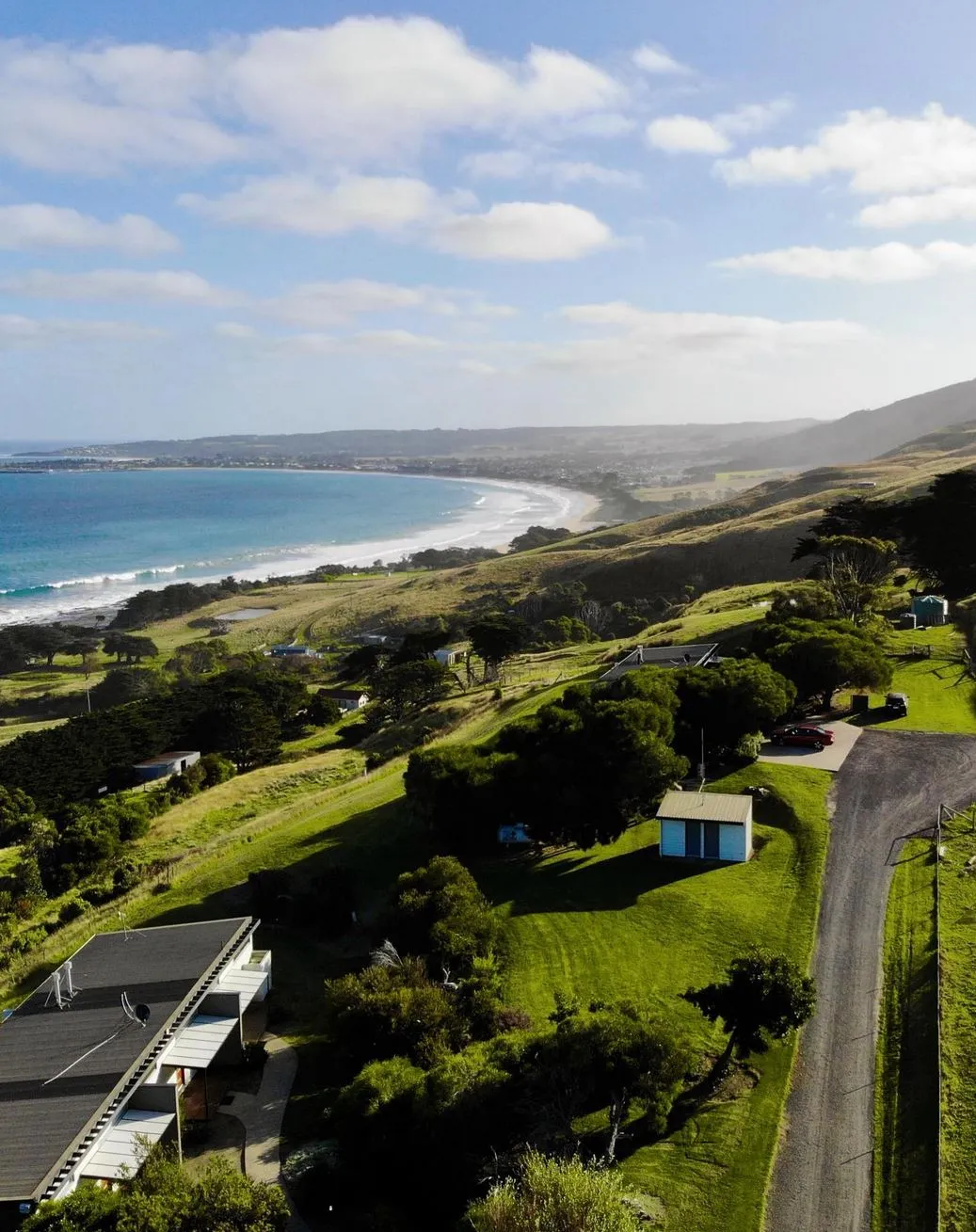
Let’s be blunt: most coastal towns and seaside towns along the Great Ocean Road have cracked down on sleeping in vehicles outside designated areas. But if you’re clever and considerate there are still a few workarounds:
- Apollo Bay: A major town with several commercial campgrounds; zero tolerance for van camping in public car parks or along the foreshore.
- Lorne: A popular spot for beachside holidays and surfing. No-go for free camping but the local council-run caravan park is central and has golden sand views.
- Anglesea: Look out for paid RV overnight parking zones near the surf beach — not free but cheaper than holiday parks. Nice spot for a night or two.
- Port Campbell: The Recreation Reserve sometimes allows overflow camping during peak periods near the Twelve Apostles and natural arches.
My tip? Don’t risk the $300 fine. Ask a local, check the signs in public car parks and don’t park in a residential street like it’s your own bush block.
If you’re short on time or wheels there are also plenty of Great Ocean Road tours from Melbourne that cover the main sights in a day — no parking stress, no fuel bill, just ocean views and cliffs delivered on a plate.
How to Travel Smart
Read the Signs (Yes, All of Them)
Many councils have signs banning overnight parking in public car parks, scenic lookouts and beachside picnic areas. If it says “No overnight stays” or has specific hours (e.g. 10pm–6 am) don’t push your luck.
Use These Apps (Seriously, They’re Lifesavers)
- WikiCamps Australia: The bible for finding campgrounds, dump points, glamping tents and user reviews.
- CamperMate: Good for last-minute camp sites and local alerts.
- Park4Night: Particularly good if you’re travelling off-season and want alternative public parking ideas.
Stay Off the Radar (Ethically)
If you do find a low-key overnight camp spot and want to risk an overnight stay:
- Arrive late and leave early.
- Don’t set up tables, chairs or awnings.
- Keep noise and lights to a minimum.
- Leave no trace — bin your rubbish or take it with you.
But again — you’re not entitled to wild camp or sleep in your car wherever you please. Respect for locals keeps the few tolerated locations from disappearing altogether.
Weather, Seasons and Parking Pitfalls
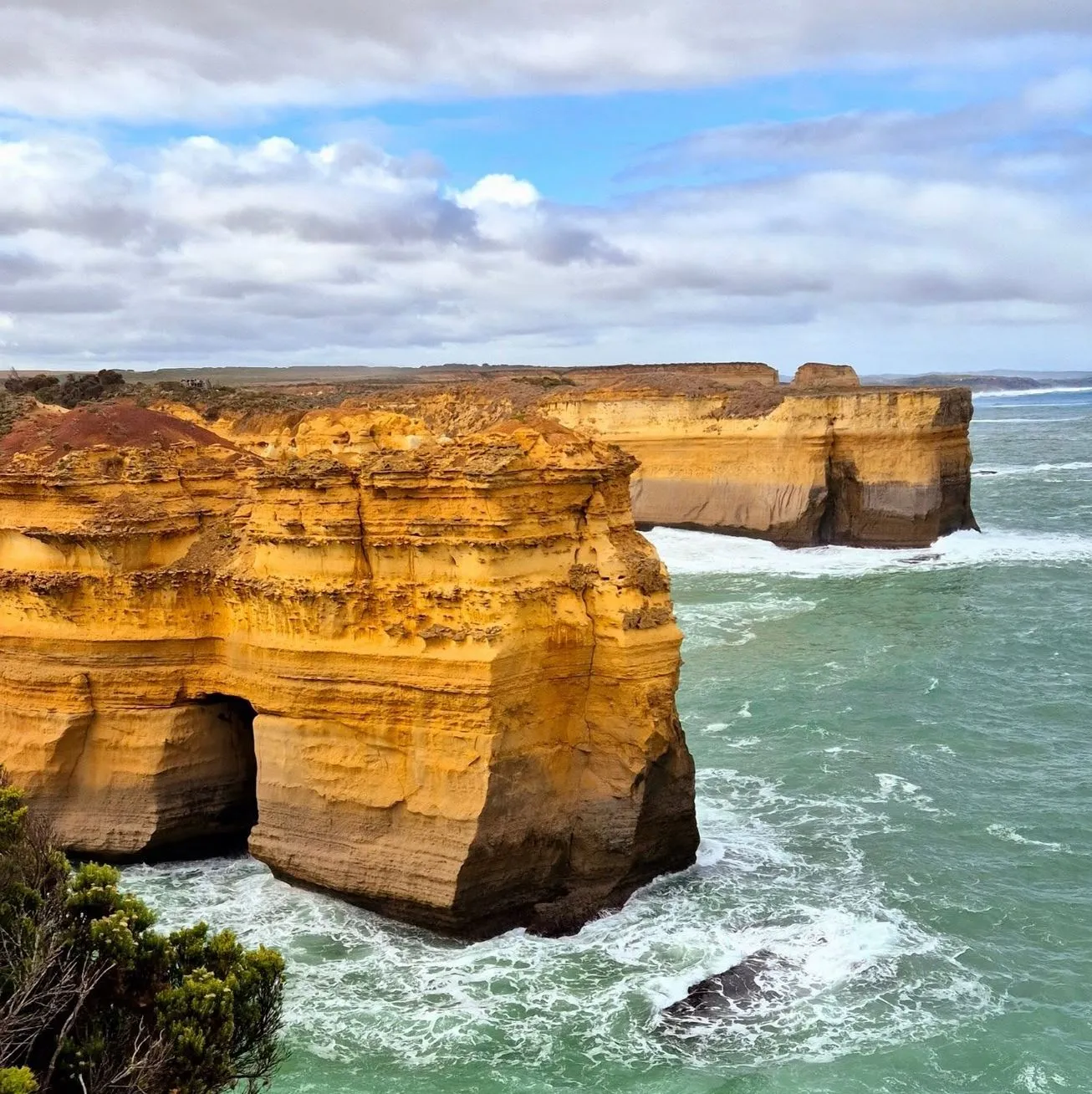
Dry Season vs Wet Season
You’re less likely to get bogged (literally and legally) in the dry season — roughly November to April. But summer also brings:
- Packed campgrounds (book ahead)
- Fire bans (no campfires)
- Mozzie swarms (bring repellent and a mozzie net if you’re swagging it)
In the wetter months (May to October) roads to inland camps like Beauchamp Falls can get sketchy. Drive slow, pack a tarp and prepare for misty mornings and wet socks. Check tide times before beach visits or parking near low-lying areas.
Bushfire Season and Park Closures
Parts of the Otways and nearby national parks may close on extreme fire danger days. Check the Vic Emergency app and Parks Victoria alerts before heading inland.
What I Pack for a Legal, Low-Stress Overnighter
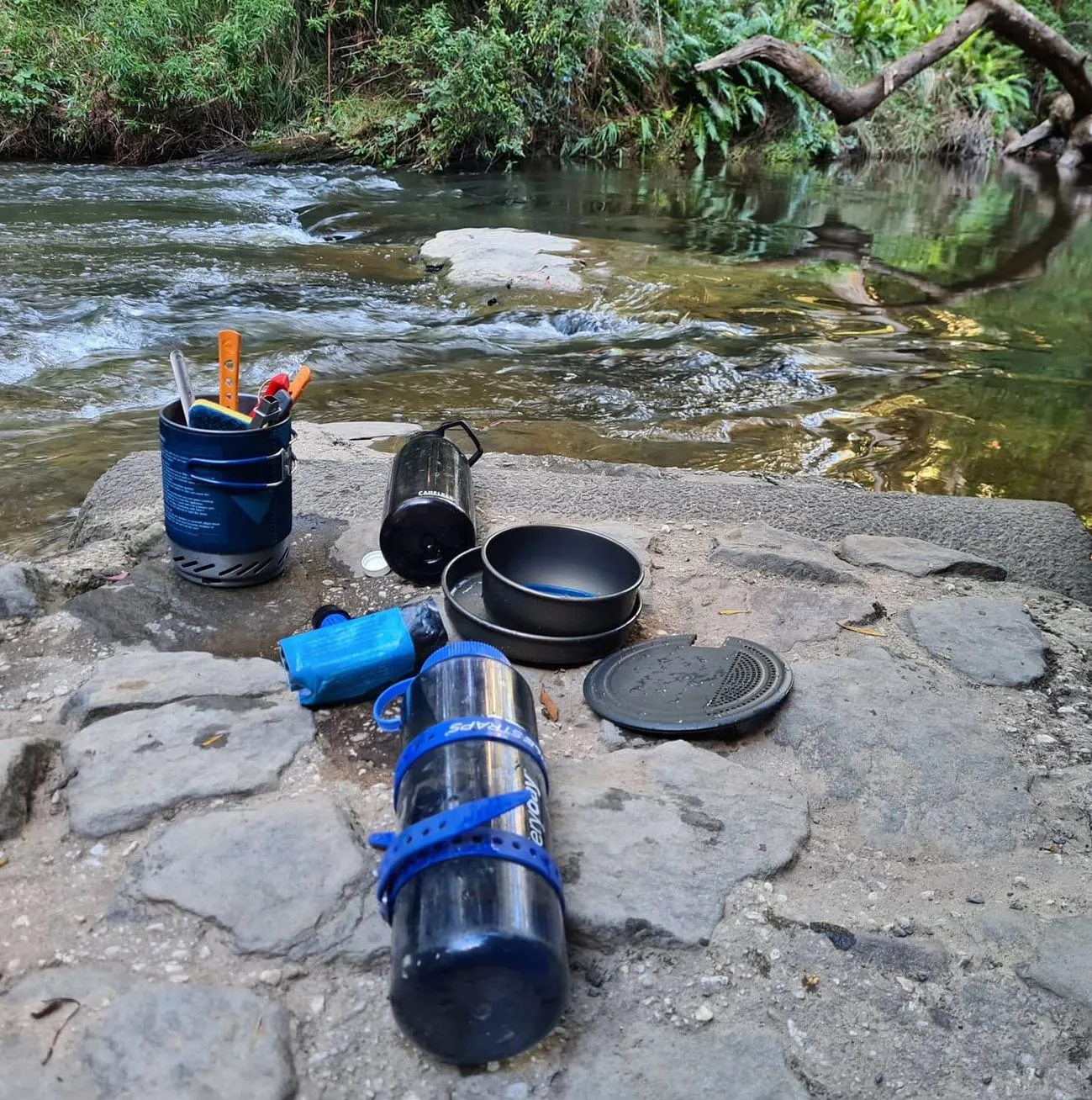
- Printed campground bookings (some areas have no phone reception)
- Cash (a few donation-based camp sites still work on honesty boxes)
- Mozzie spray + citronella coil
- Headlamp (for those basic toilet missions)
- Levelling chocks (many holiday parks have sloping sites)
- Quiet as a mouse attitude after 9 pm
Final Thoughts
The Great Ocean Road isn’t just a pretty stretch of coastline — it’s home to rugged cliffs, golden beaches, ancient rainforest and some of Australia’s most incredible views. It also weaves through small towns, trying to balance tourism with day-to-day life.
So whether you’re cruising in a rental van, staying in a glamping tent or taking the scenic drive at a leisurely pace:
- Don’t treat public car parks as your private campsite
- Don’t skip accommodation options to save a few bucks
- Don’t empty your grey water near popular surfing spots or pristine beaches
There are plenty of legal options for overnight parking — you just need to do your research, pack with intent and plan for the 10 minute drive between townships, fuel stations and natural attractions. Want to see stunning sunsets, natural arches and amazing attractions? Allow extra time, follow the signs and park with purpose.
If you’re short on wheels or just after an easy day out there are plenty of Great Ocean Road tours that cover the highlights without the hassle. It’s a great way to see the coastlines at a leisurely pace without having to think about vehicle access or overnight camp rules.
FAQ
Can I sleep in my car at a beach carpark?
Short answer: No. Most beachside public parking spots have clear signs banning overnight stays. Rangers do patrol regularly.
Is freedom camping legal anywhere on the Great Ocean Road?
Only in designated areas — usually inland. You’ll find a few free campgrounds but true wild camp or freedom camping near the ocean is mostly banned.
Are there fines for sleeping in a van?
Yes — fines range from $100 to $300+ depending on the council. Enforcement is more likely in summer and around popular day hike trailheads or spectacular coastlines.
Where can I legally park my campervan overnight?
In authorised campgrounds, caravan parks or signed RV overnight parking zones. These are listed on Parks Victoria and local council websites. What about rest stops or transport hubs?